3D models
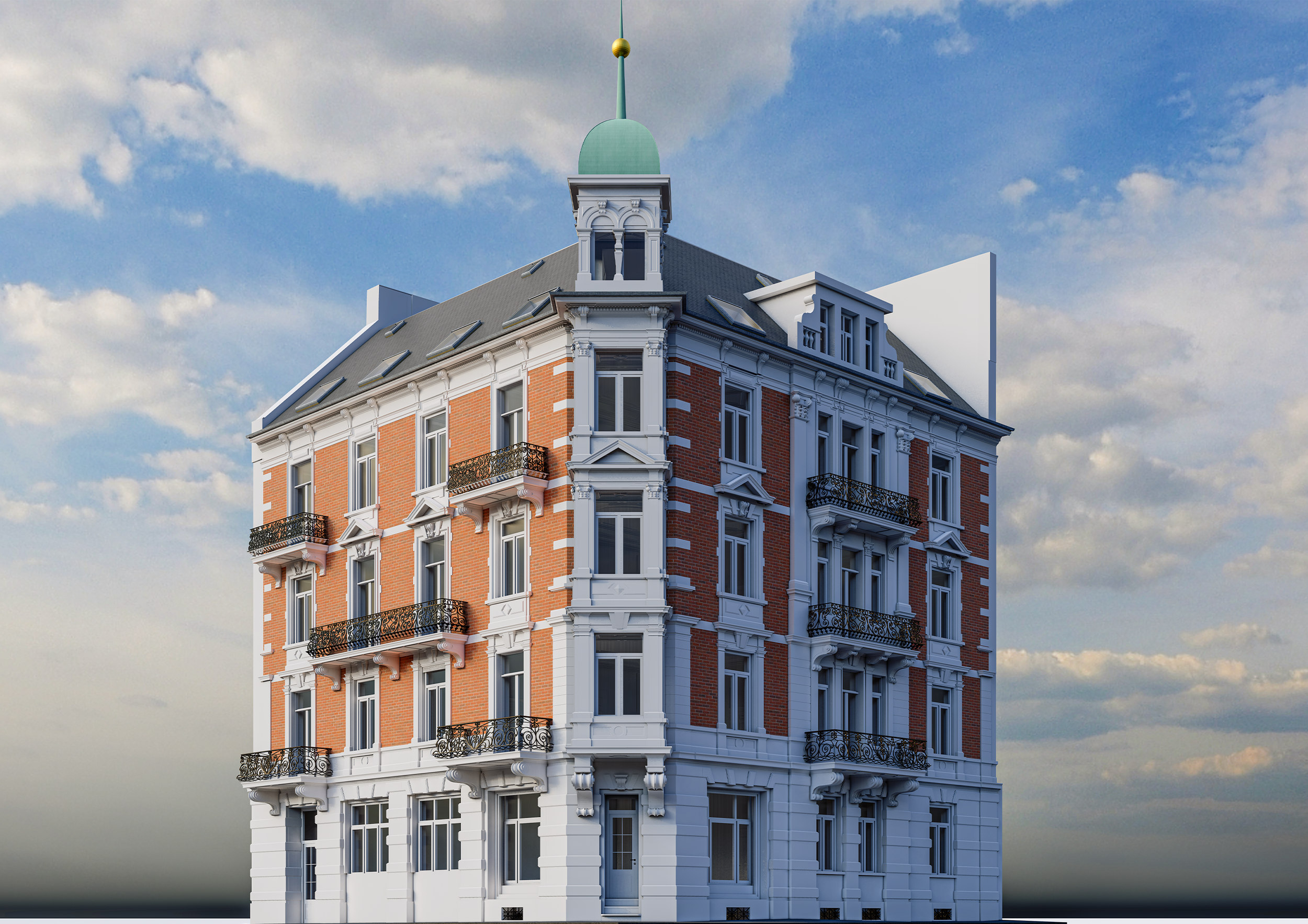
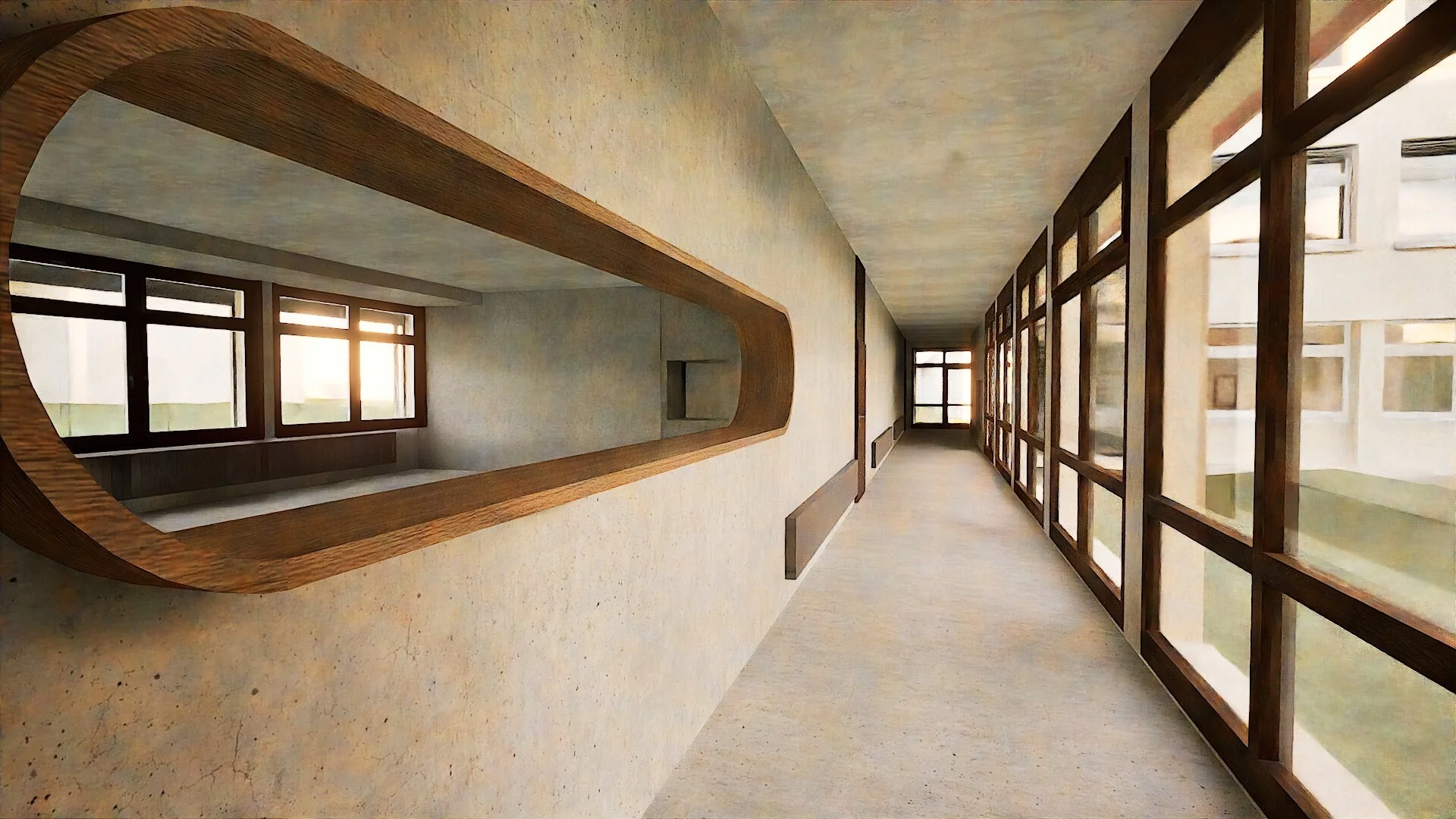
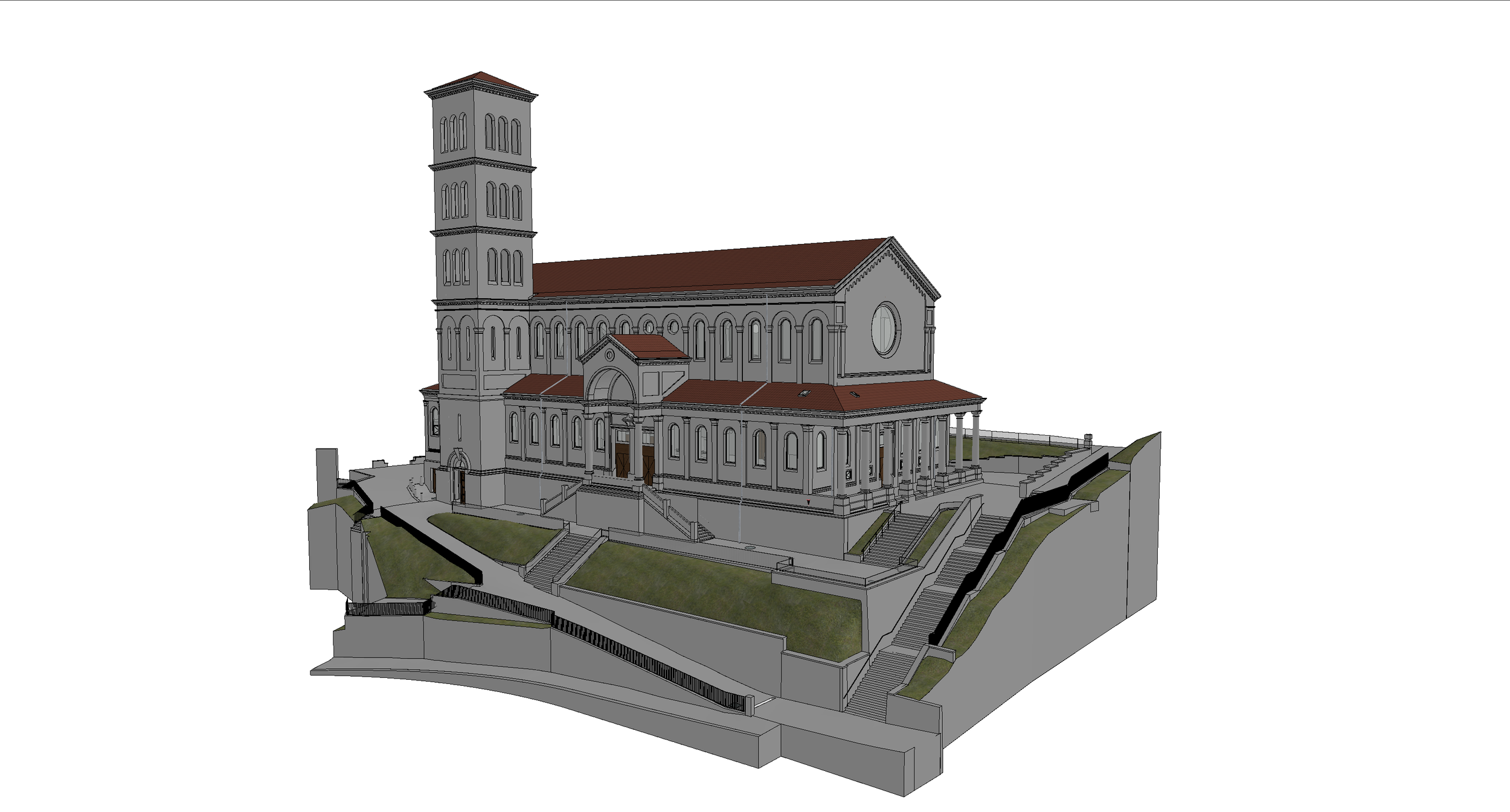
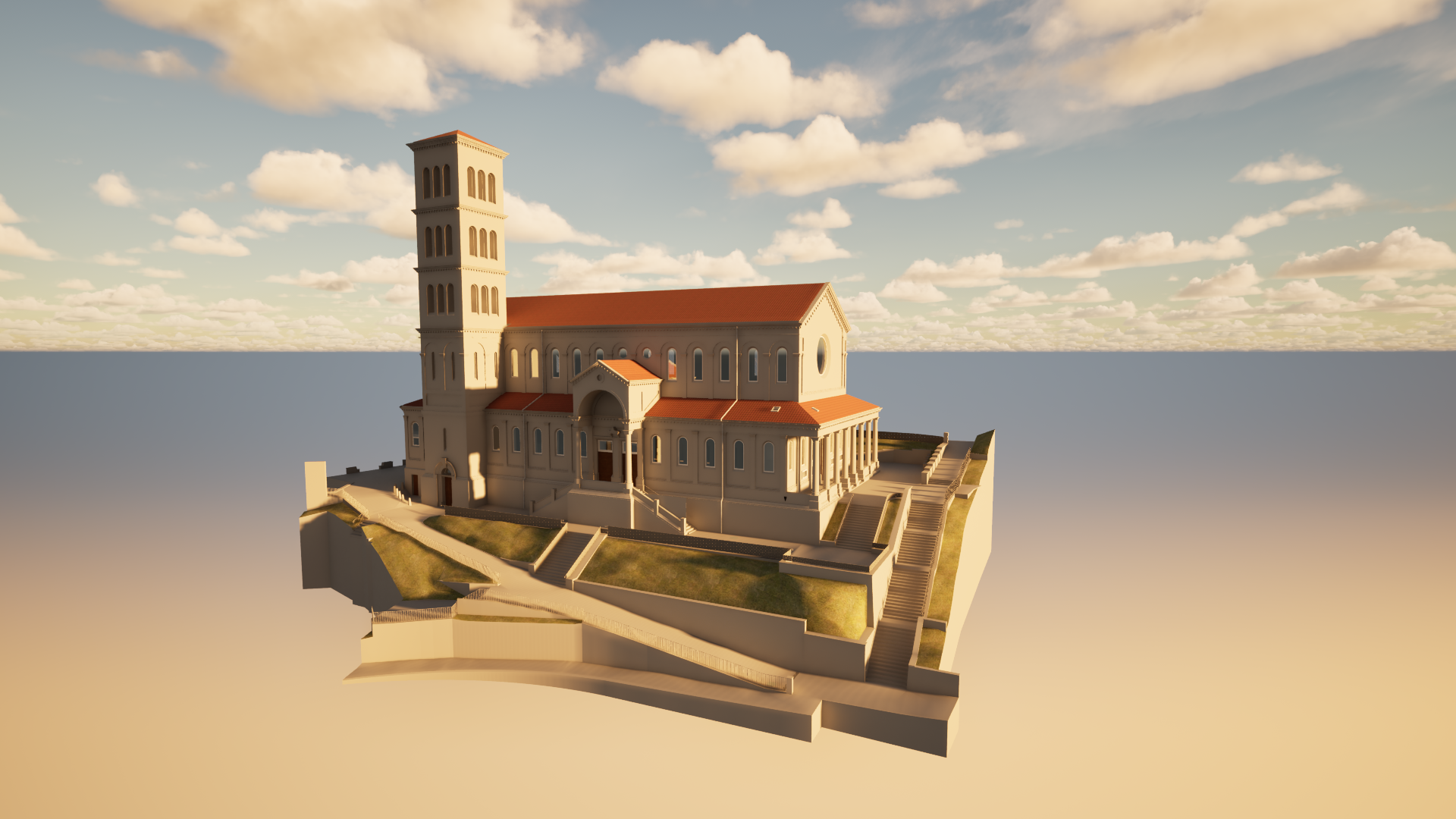
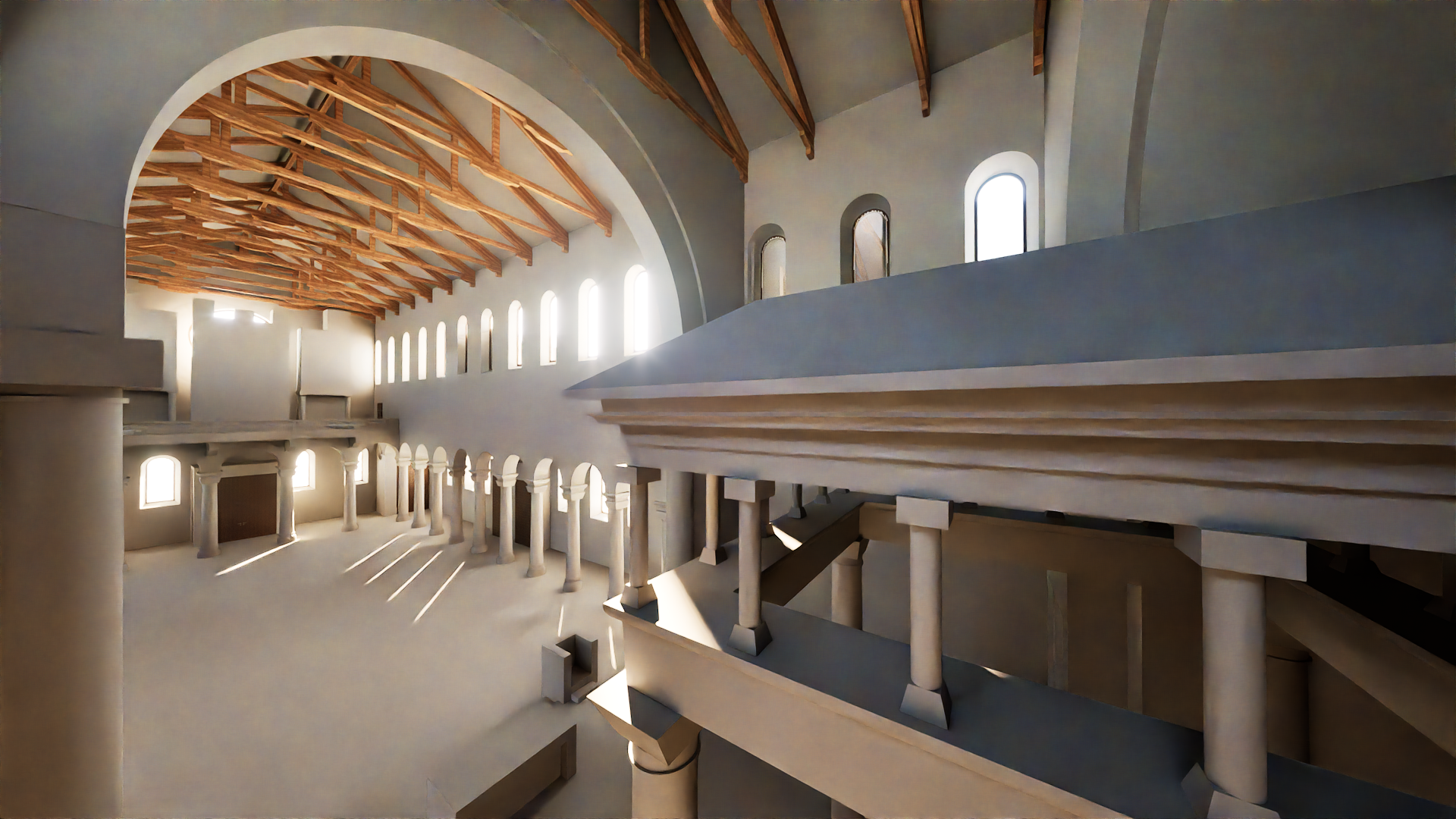
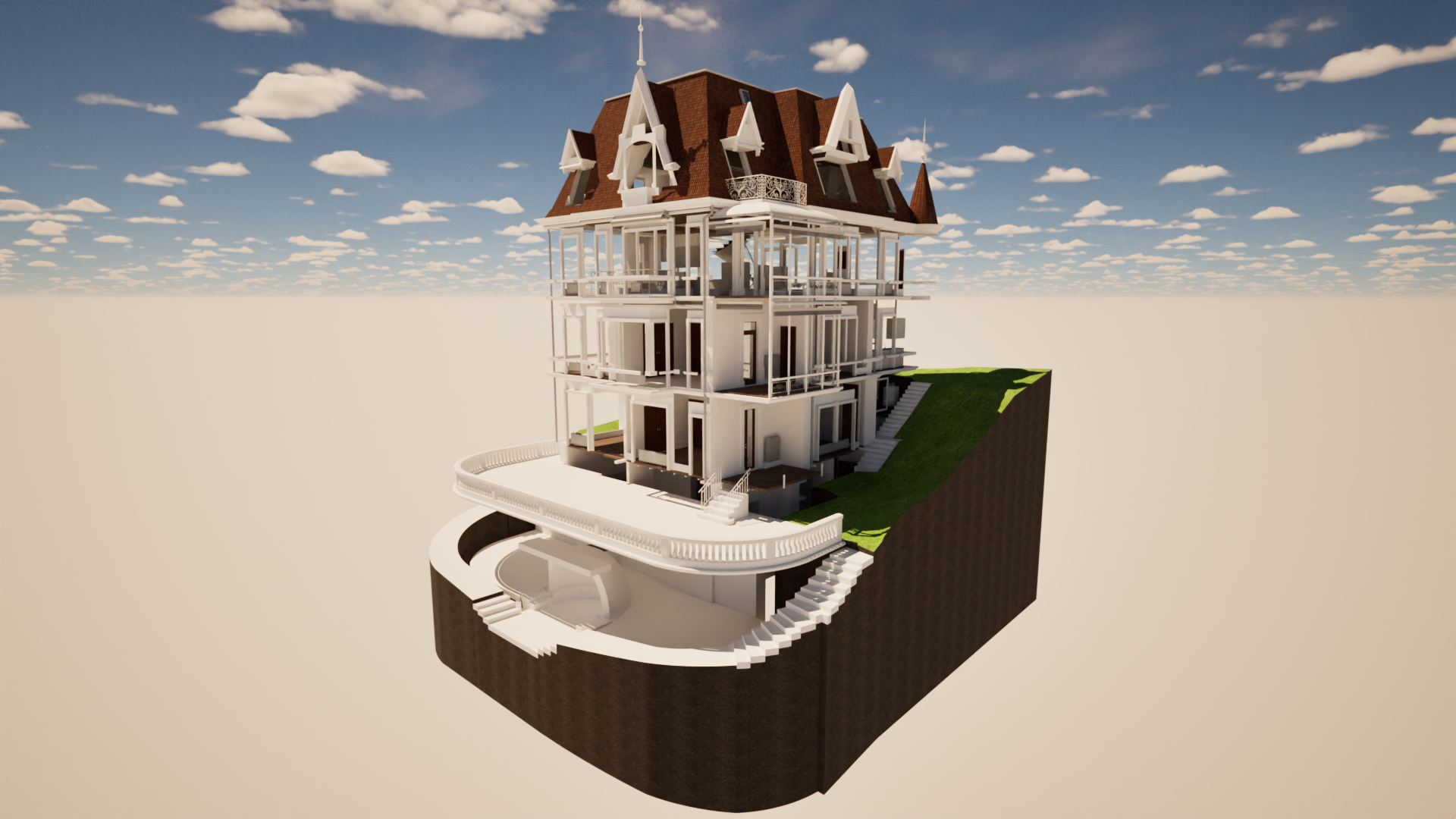
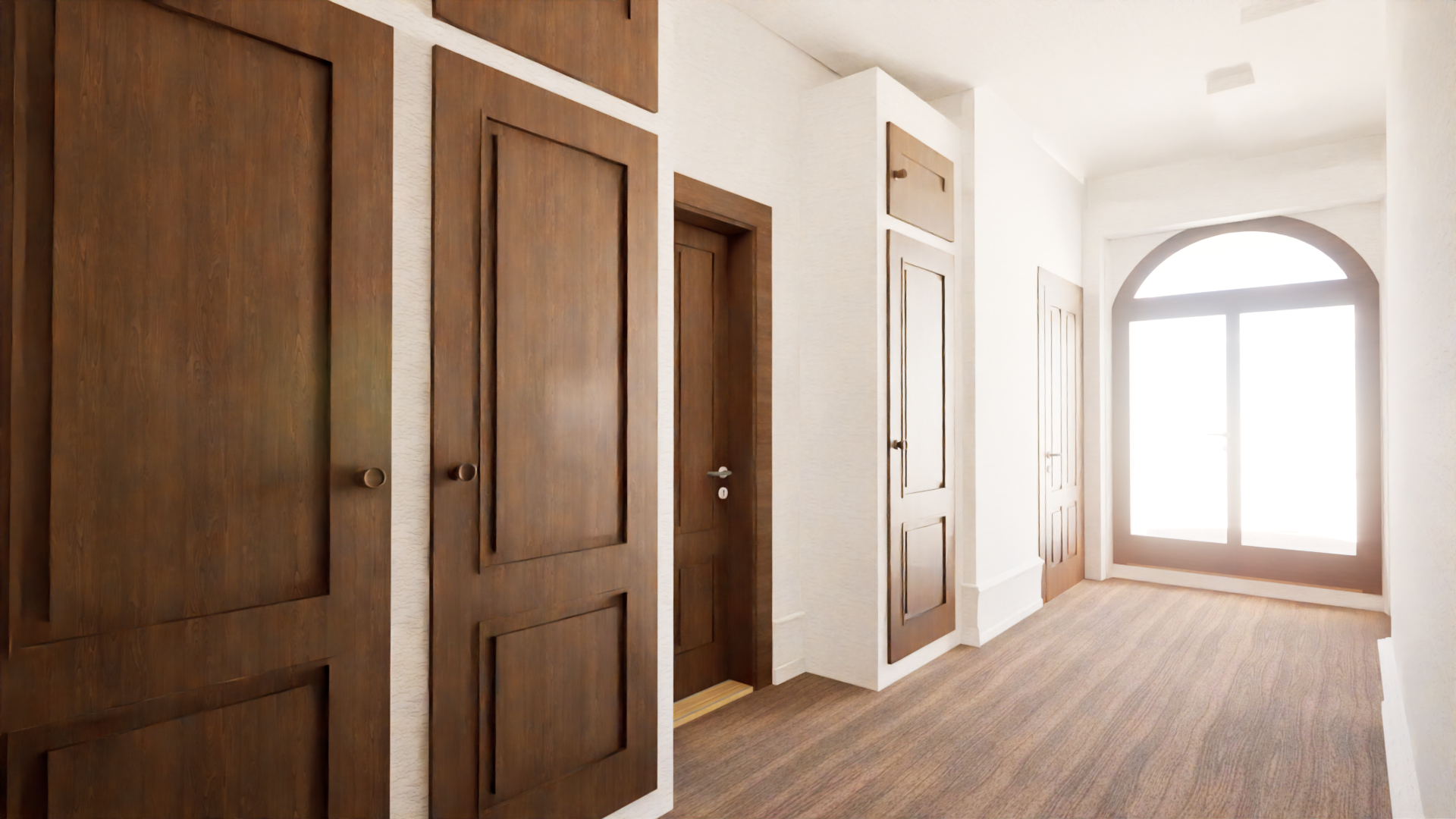
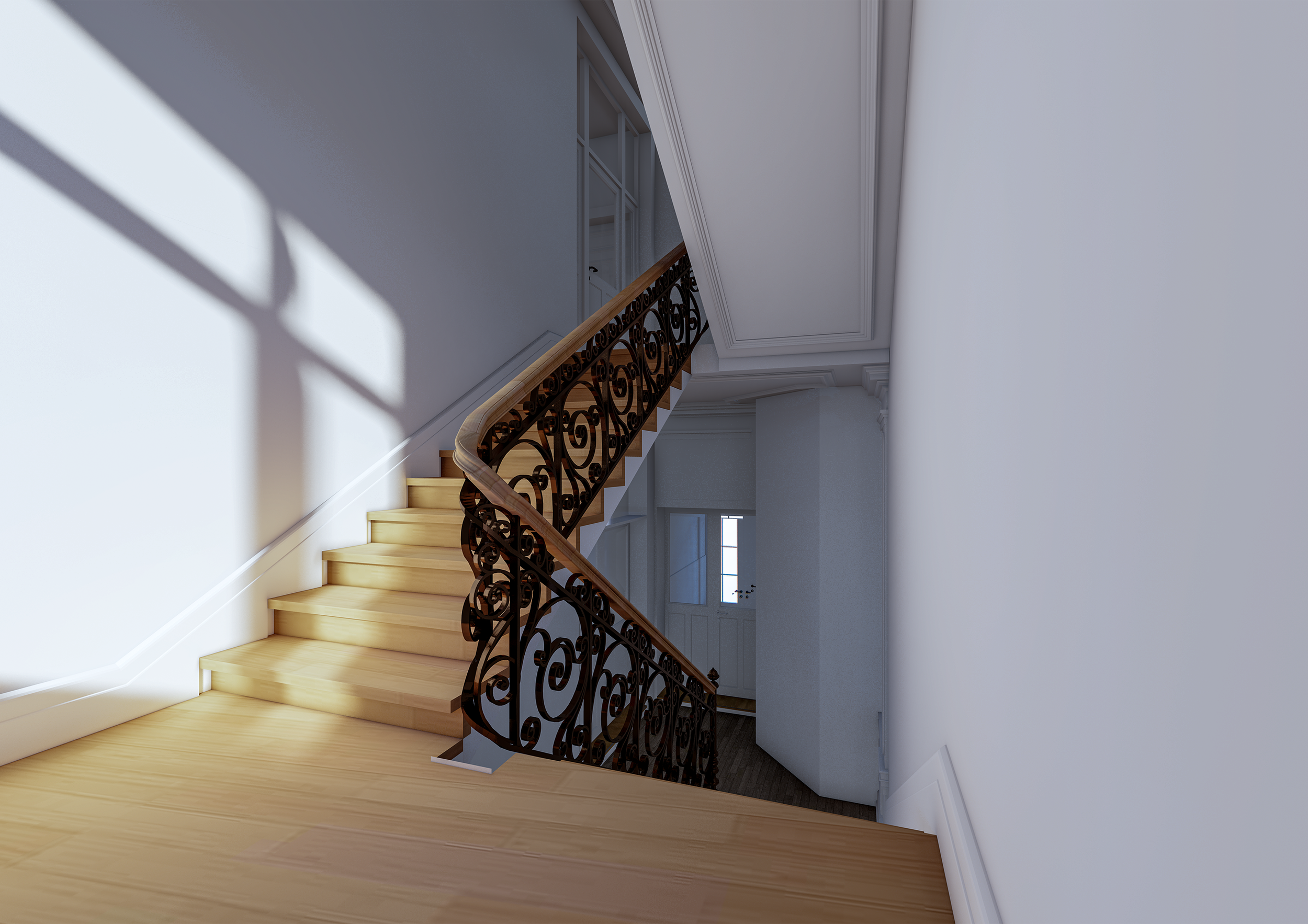
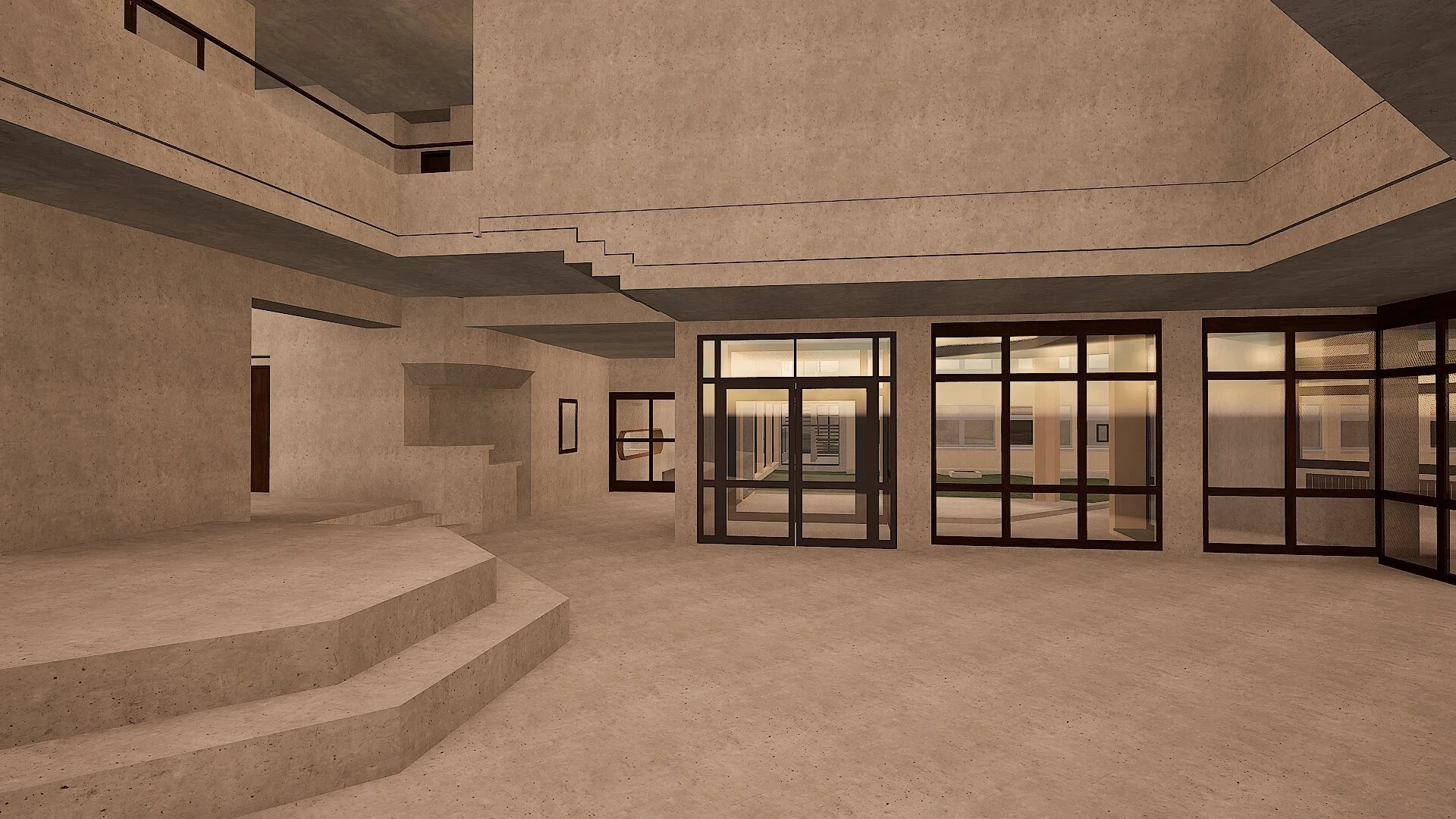
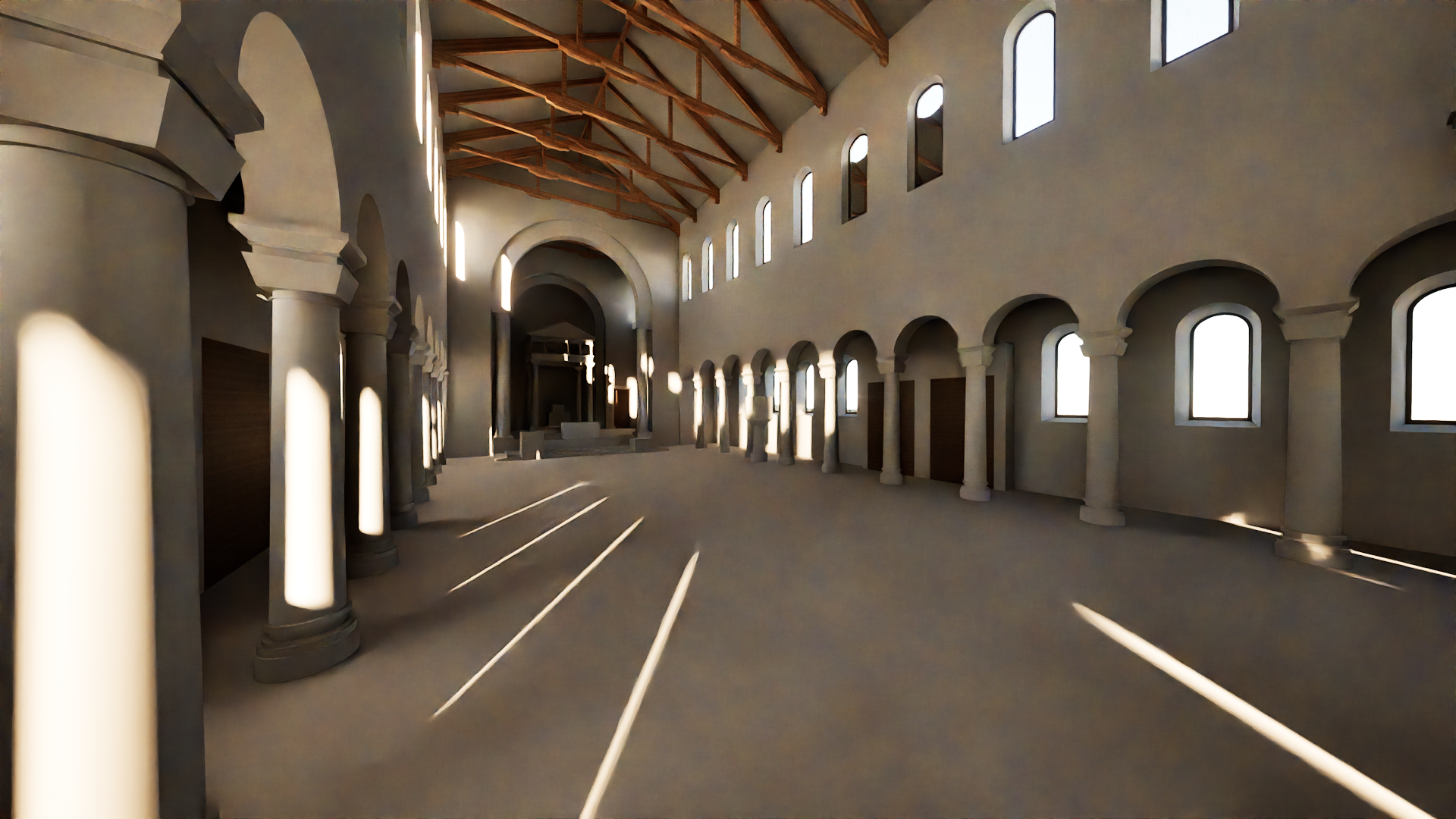
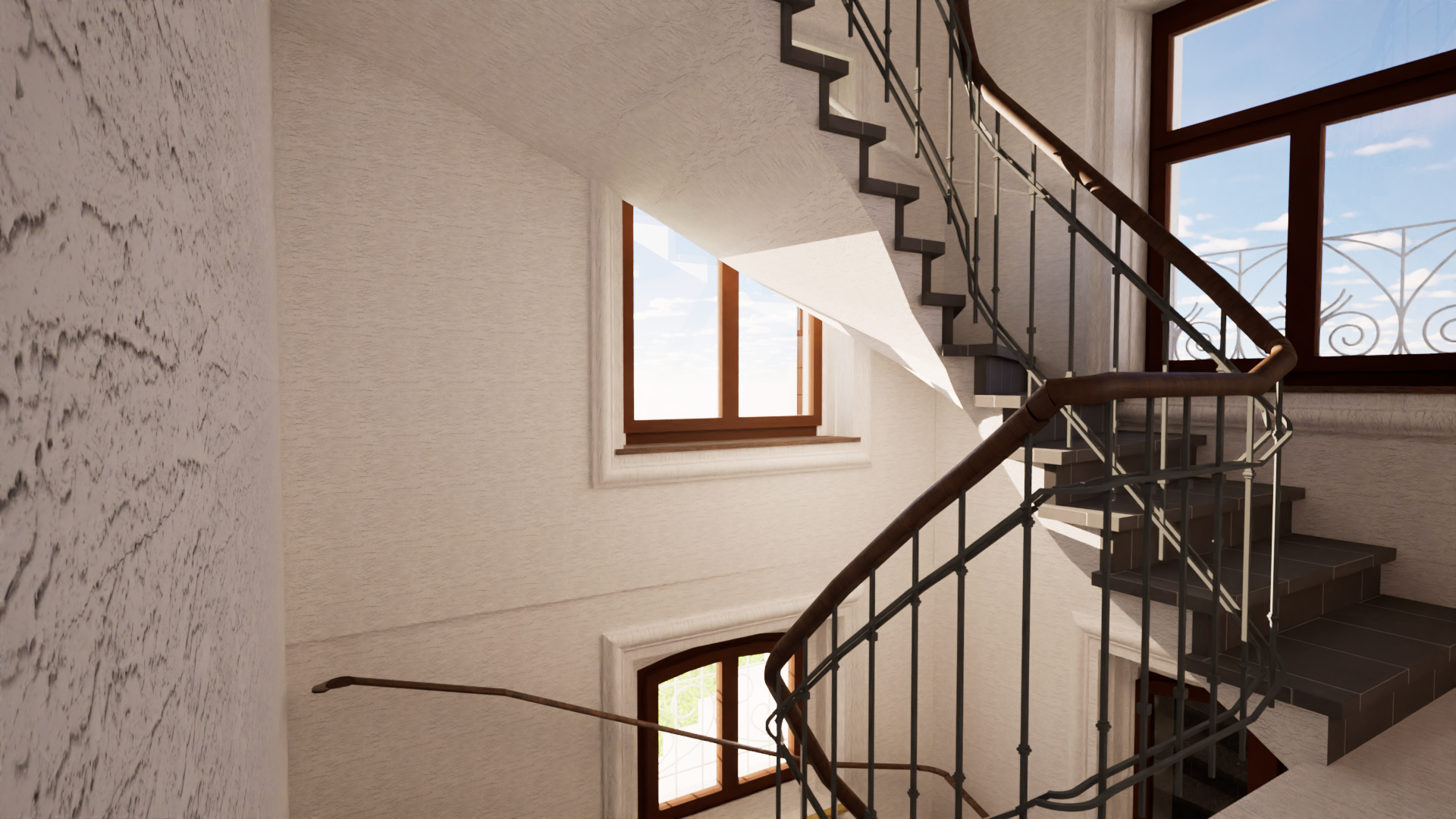
We use the survey data we've collected to create 3D building models.
After surveying the site and recording the data, we will contact you to clarify the requirements for the upcoming 3D modeling in detail. Among other things, we will jointly define any relevant blueprints, the level of detail for the model, zero points, delivery times, and other parameters. This ensures that all specifications are clearly defined before 3D modeling begins.
We will deliver the final 3D model to you in the agreed-upon CAD format (.pla, .rvt, .vwx), and upon request, we can also provide it in IFC format for sharing with any specialized designers.
-
We model natively in the CAD program of your choice to rule out compatibility issues from the outset. We are also happy to use your CAD office template.
ArchiCAD
Autodesk (Revit, AutoCAD)
Vectorworks
We are also happy to provide you with the model in IFC format for exchange with any specialist planners.
-
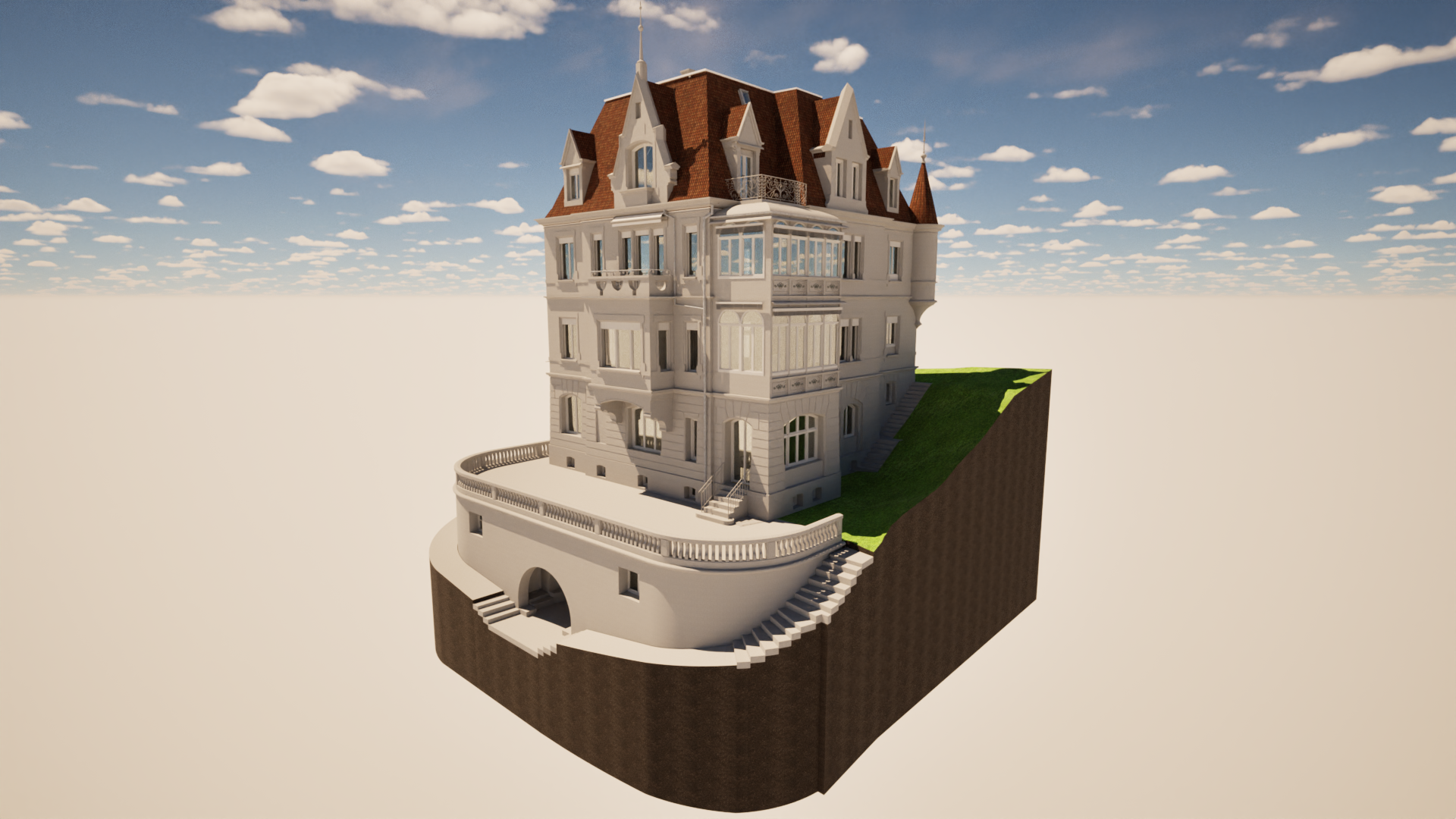
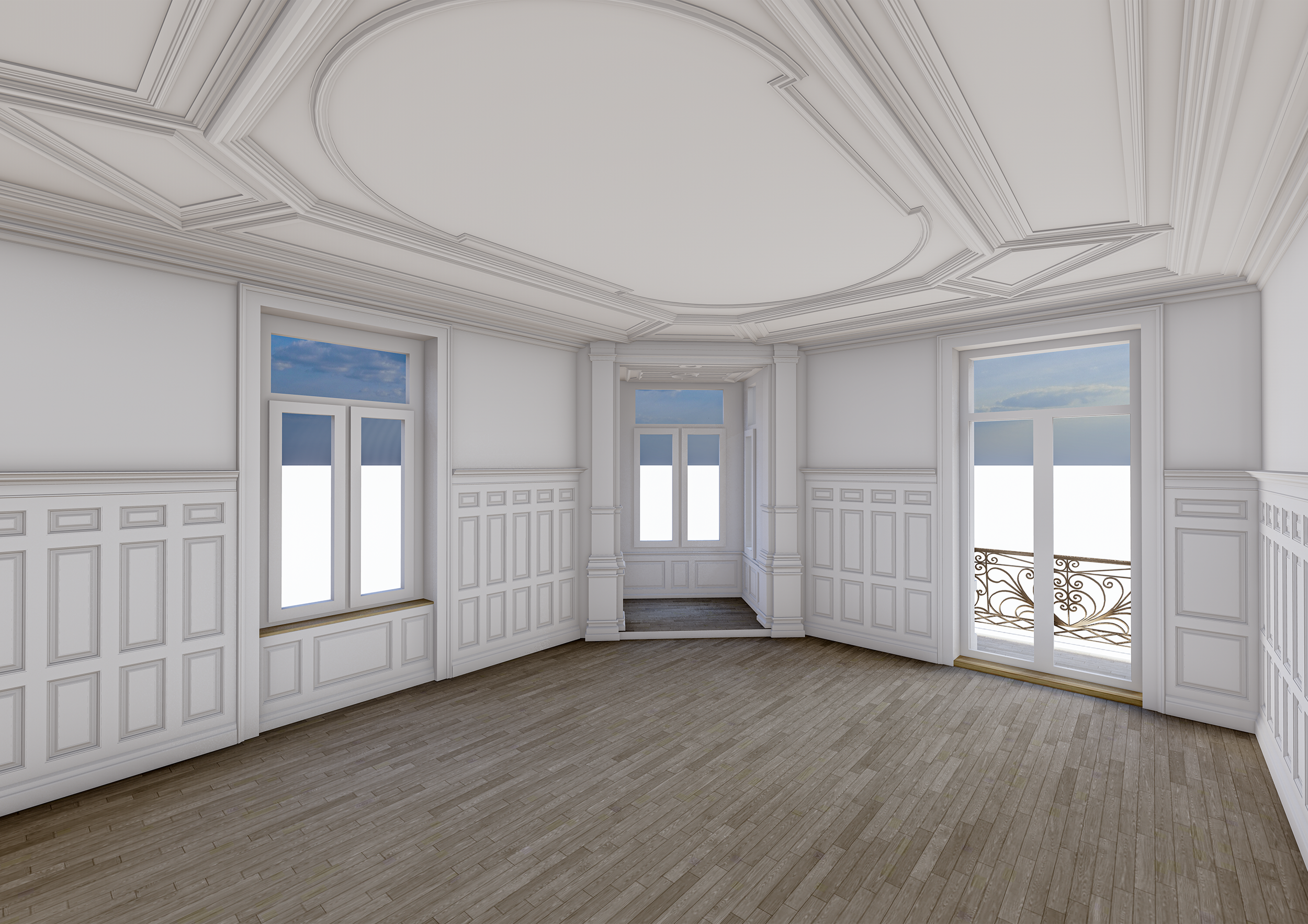
When it comes to 3D modeling, the question arises as to how detailed the existing structure should be depicted. On the one hand, true-to-life modeling enables an exact representation of the existing structure, but at the expense of a "heavier" model with morphs, which is less efficient to work with than a 3D model with a certain degree of abstraction.
We therefore work with you at an early stage to determine the appropriate level of detail for your project and tailor the modeling specifically to your requirements and the planned evaluations.
-
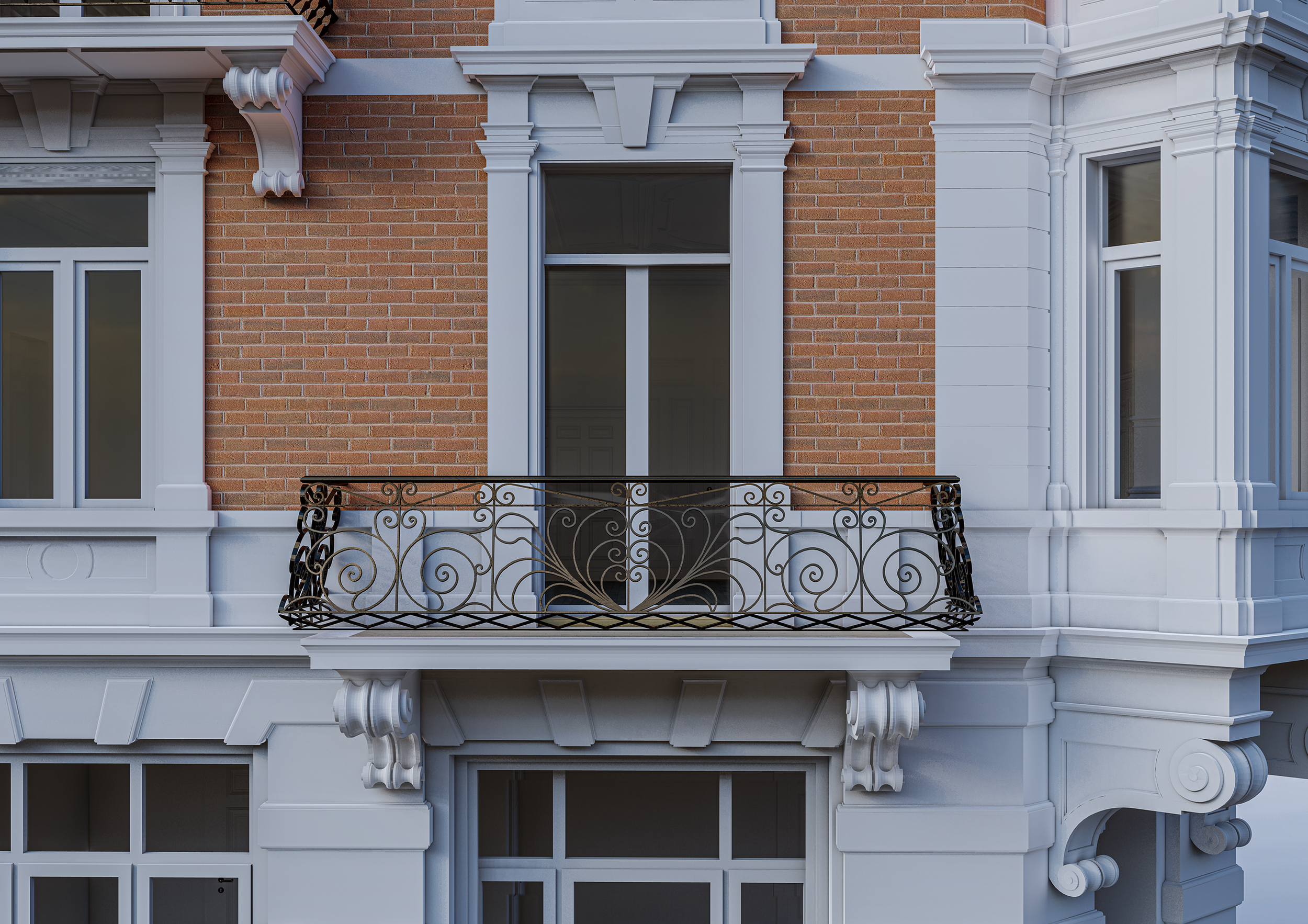
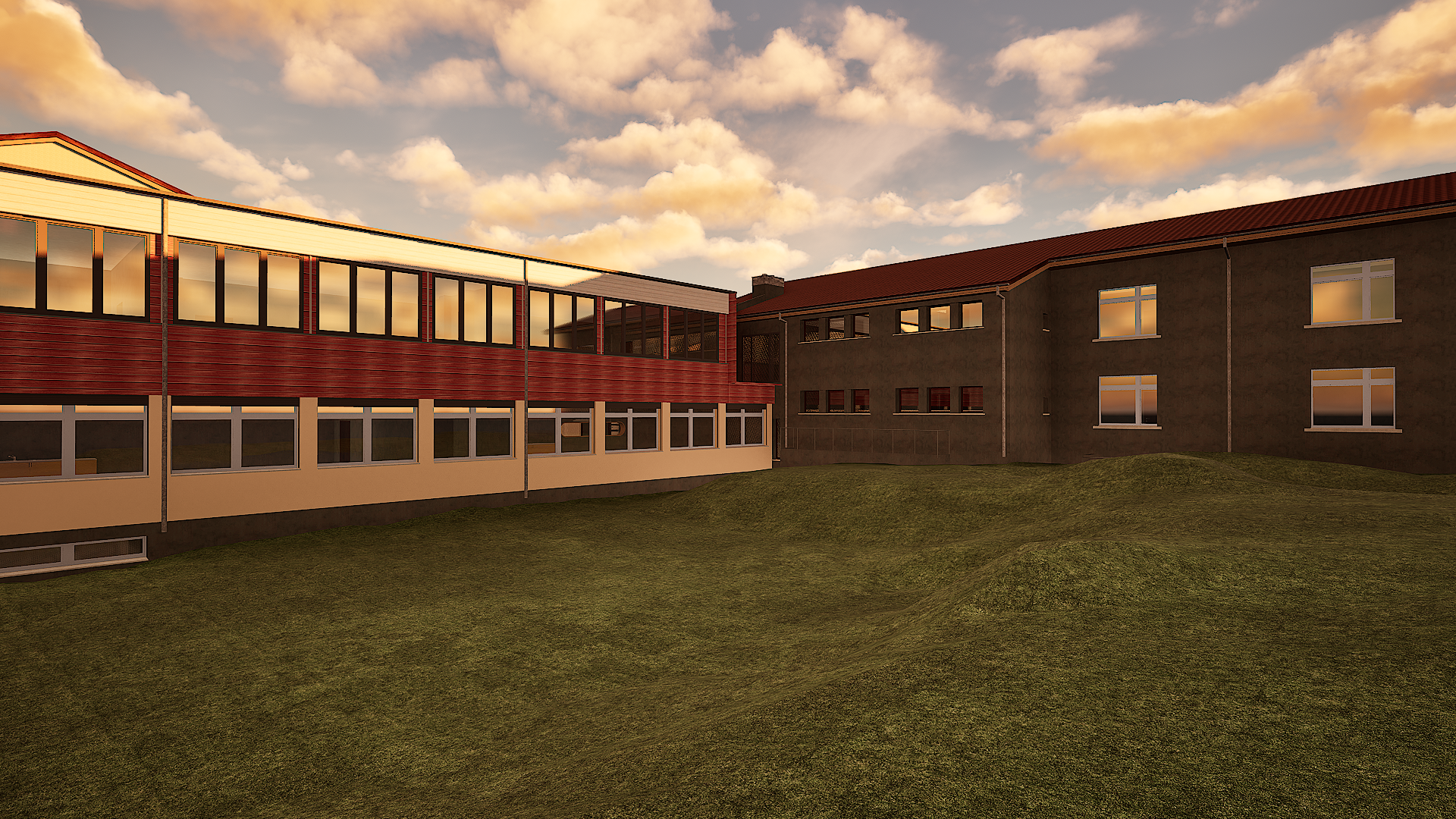
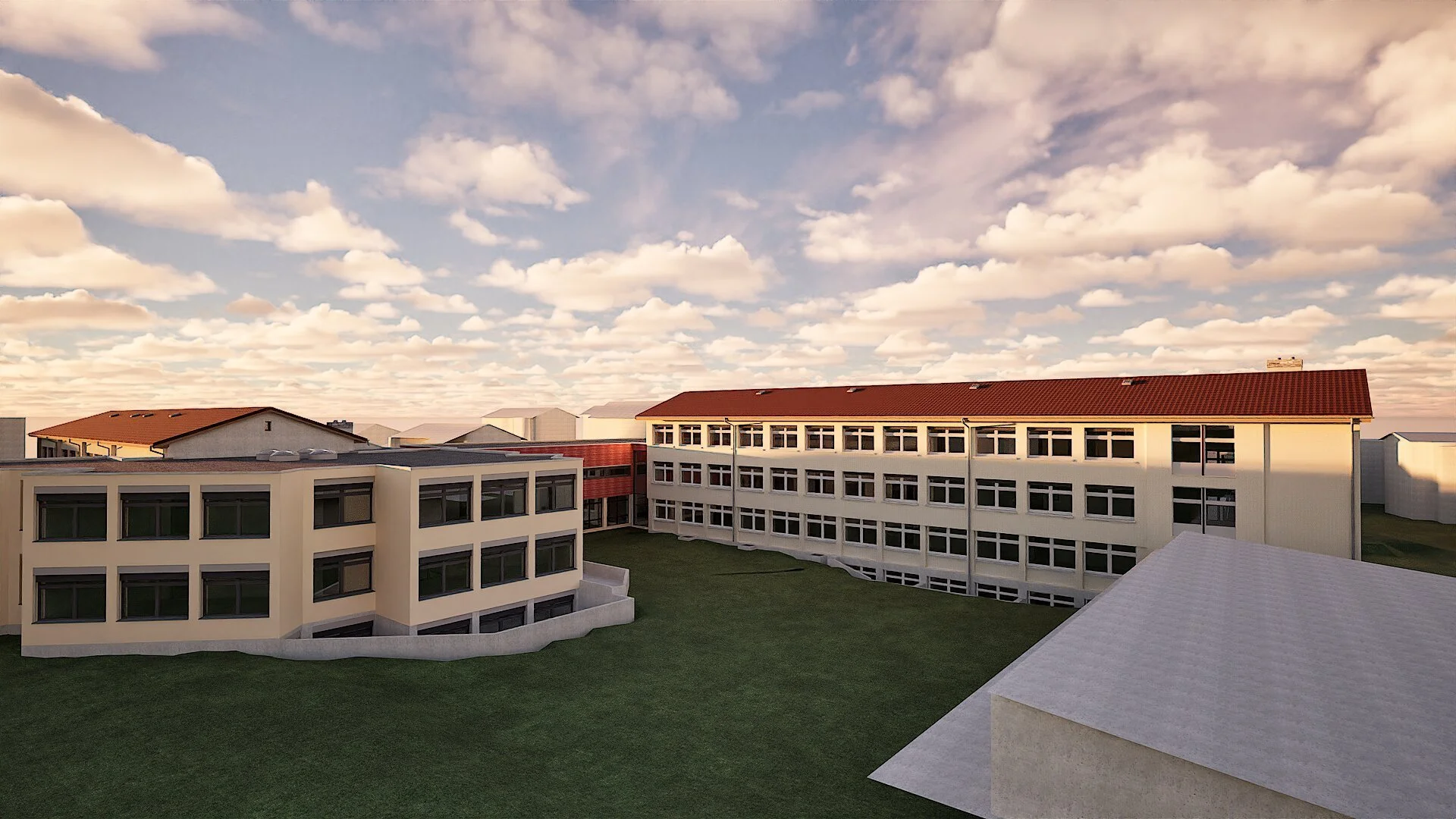
The required level of detail is project-specific and should be determined during the quotation phase, as it has a significant impact on costs. We will provide you with a graphical overview of the different LOD (Level of Detail) levels so that you can realistically assess your needs:
LOD 150 (1:100 with reduced level of detail)
LOD 200 (1:100)
LOD 250 (1:50)
LOD 250HD (1:50)
Different LODs can, of course, be combined within a single project. It is also possible to upgrade models to a higher LOD at a later stage if required.
-
The time required for 3D modeling is often underestimated. Early building surveying and allowing sufficient time for modeling and evaluation are prerequisites for successful collaboration.